Find Out What Composite Door Lock Replacement Tricks Celebs Are Using
Common Problems With Composite Door Lock Replacement You will most likely find a multipoint lock on a composite door. This is to keep burglars from entering your property. For these locks to work correctly, they require some maintenance and care. You may have to oil the lock or replace the central case or gearbox. Damaged or Worn Hinges If a hinge is damaged or worn out, the door could stick or rub on the frame. This can cause security issues for your home and cause the possibility of damage over time, so it's important to address these problems promptly. Screws that are loose are typically the culprit of problems with hinges for composite doors, and tightening them can help resolve some problems. If the problem is more severe, you might need to replace the hinges completely. In this scenario, you'll need to remove the hinges you have and scrape off any paint or wood filler before attaching new hinges. It's a good idea also to apply lubrication on your new hinges in order to decrease friction and make them more efficient. To lock a composite, one will need to 'throw the handle' to engage the locking points along the door's side. Many people forget to do this and close the door by letting it rest on the latch in middle of the door. This could cause the doors to warp or swell and make it difficult to open or close properly. With the right tools, you can replace the hinges of your door easily. Begin by removing the hinge plates from the door and frame and then removing the screws that hold the hinges in place. Utilizing a hammer, you can drive out the old pins. One will rise, while the other will go down. If necessary you will need a screwdriver as well as an extended punch to remove the hinge pins that were previously in use. Then, use a nailfile to remove any remaining metal bits that remain in the holes. If you're unable to get the hinge plate off, try using penetrating fluid instead. Now it's time to install the new hinges! Bring each hinge up to the frame and align the screw holes before installing them. If you're not comfortable replacing your own composite door hinges then you can contact a Locksmith for assistance. They can repair most issues, but may need to replace the entire hinge if the issue is beyond repair. Faulty Cylinder A faulty the cylinder could be the reason behind your door not being locked. A euro cylinder is the key that unlocks your front door lock. It's composed of a core body, a body, a fixing hole, and a revolving cam. This is similar to the way the car engine functions, if you have had enough sputtering that you have triggered the check engine light then an automotive diagnostic tool can help you narrow down which one is the issue, a good guideline is that when a cylinder is damaged, it's worn rings or a damaged the cylinder's wall, it must be replaced. You can purchase a brand new cylinder from your local hardware shop. They are available in a variety of sizes, so make sure you examine the old one before buying the replacement. When replacing a cylinder the key must be removed prior to starting work. Then, a screw needs to be tightened to secure it in the cylinder. Once this is completed, it is crucial that the key is turned so the rotating cam is aligned with the lock. Once this has been done you can close and lock the lock as usual. Warping is another common problem when using composite door locks. This can make it difficult to open and close the door, let air in and could even increase the cost of energy. It is normal for wooden front doors to be warped. This is not an issue, however when the warping is causing issues with the locking mechanism, it's recommended to replace the entire frame. This can be a significant expense, and a lot of effort is required to replace the front door. It is essential to select a multi-point lock that is compliant with British Standard 3621 when replacing one on your composite front door. This will not only guarantee that your home is safe from burglars, but it will also help keep your insurance premiums low. Here at ERA we offer a range of high-quality locks for cylinders that are designed for doors made of composite. Warped or Cracked Frame Cracks, bends or visible cracks in your frame may be a clear indicator of structural damage, particularly for older vehicles. These are usually caused by collisions and accidents, which could compromise the structural strength of your vehicle. A warped or cracked frame can be a challenge to repair, and may require replacement completely. If you suspect that your car's frame is damaged, take it to a professional immediately. 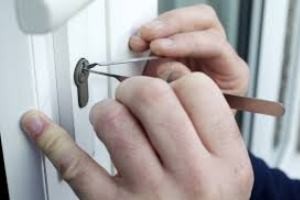 Wood putty or filler might be able of repairing cracks in a surface, based on the severity of damage. Apply a thick layer of the substance on both sides of the crack, ensuring that it extends deeply into the crack. Utilize a pair of clamps to secure both pieces together until the glue has established. Place the clamps for several hours to make sure that the glue has properly solidified. Checking the alignment of the body parts and panels is a great way to detect frame damage. Doors or hoods, trunks, or hoods that aren't aligned correctly or don't fit properly can be a sign of frame distortions. Be aware of the wear on your tires. replacement lock for composite door could indicate an issue with the frame. Modern cars use unibody frames, where the chassis and body are constructed as one unit. However, some pickup trucks, vans, and large SUVs still use an old-fashioned body-on frame construction technique that is easily bent or damaged. If your frame is damaged in your vehicle and needs to be repaired as soon as possible to avoid further problems or safety concerns. Unattended frame damage can cause problems with engine performance, suspension and other vehicle systems. It is essential to be aware of the warning signs that indicate frame damage. This will allow you to detect it early and avoid more expensive repairs in the future. Sticky Locks Sticky locks are a common household problem, yet they're so easily fixed that you need to take the time to tackle them before the situation gets worse. If you're finding yourself banging on your door, turning the knob or handle and struggling to turn your key, it's probably because the lock mechanisms have become sticky. Like all other hardware, they're subject to daily wear and tear, and if they're not maintained in a timely manner they'll begin to become stuck or completely fail. You might be frustrated and, in certain instances you may cause more damage by trying to forcefully open a door that's locked or blocked. The accumulation of dirt in the mechanism of the lock is among the main reasons why locks become sticky. Tiny dust particles and grit could be able to get into the lock, obstructing its movement and causing it to stick. This is a simple fix that can be resolved by spraying a few times. In DIY stores, you can find a wide selection of dry lubricants, including WD-40, a dust and dirt-resistant spray that offers long-lasting corrosion resistance. To avoid a slippery mess, it is recommended to use dry lubricants only sparingly. You can also apply a graphite-based lubricant that comes in an aerosol or tube with a brush for more precise application. Sometimes, your lock could get stuck because it's not properly aligned with the frame, or it's the wrong type of lock for the door. It is recommended to speak with a professional locksmith in these cases for advice and assistance. Although we rely on them all the time, it's easy to forget about the importance of keeping our door locks in good in good working order. You'll be reminded of the importance you place on your door locks for security when they get stuck. By following these guidelines and making the effort to conduct regular maintenance, you can prolong their life and avoid costly replacements in the future.